
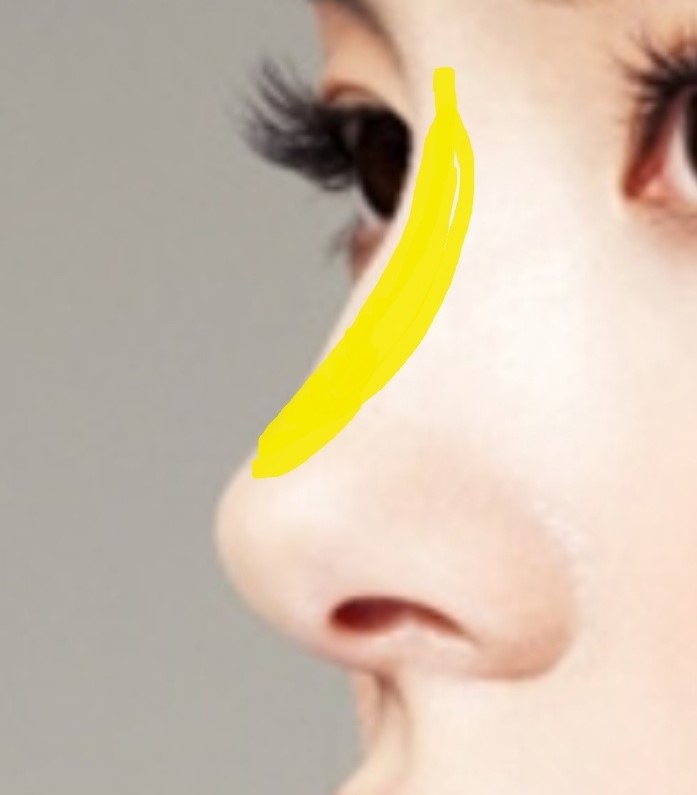
Augmentation rhinoplasty
It is a method of raising the nose bridge or correcting the nose blade using prosthetics such as silicone and Gore-Tex.
Procedures
1. Consultation: Consult with a specialist to determine the shape of the nose, the size and shape of the prosthesis, and the method of surgery.
2. Anesthesia: perform local anesthesia or general anesthesia.
3. incision: make an incision inside the nostril or under the nose blade.
4. Insert prosthesis: Insert and secure the prosthesis in the desired position.
5. Suture: Suture the incision.

Autologous graft rhinoplasty
It is a method of raising the nose bridge or correcting the nose blade using self-organization such as ear cartilage and non-segmental cartilage.
Procedures
1. Consultation: Through consultation with a specialist, determine the shape of the nose you want, the location and amount of tissues you want to collect, and the method of surgery.
2. Anesthesia: perform local anesthesia or general anesthesia.
3. Self-tissue collection: Collect ear cartilage, non-segmental cartilage, chest cartilage, etc.
4. Tissue Fragment: Sculpt the collected tissue into the desired shape.
5. Insert and secure: Insert and secure sculpted tissue into and around the nose bridge or nose blade.
6. Suture: Suture the incision.
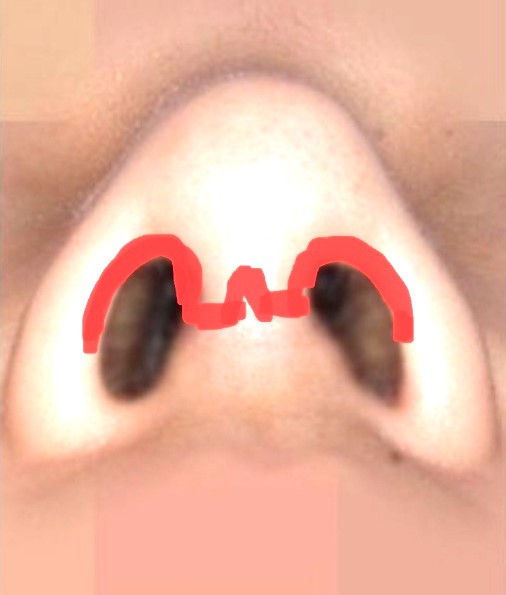
open rhinoplasty
It is a method of incision between the inside of the nostril and the nose blade. It is easy to secure the field of view, so precise procedures are possible, but it has the disadvantage of leaving scars.
Procedures
Consultation: Consult with a specialist to determine the shape of your nose, surgery method, scar management, etc.
Anesthesia: perform local anesthesia or general anesthesia.
Cut: Cut the skin in the middle of the nose.
Bone and Cartilage Sculpture: Sculpt the nose bone and cartilage into the desired shape.
Implant (if necessary): Insert prosthesis to raise the nose bridge or to supplement the shape of the nose blade.
Reorganization: If necessary, relocate surrounding tissues to improve nose shape.
Suture: Suture the incision.
closed rhinoplasty
It is a way to make an incision only on the inside of the nostril. It leaves little scarring, but it has the disadvantage that it can be somewhat difficult to get a view.
Procedures
1. Consultation: Consultation with a specialist to determine the shape of the nose, surgery method, etc. you want.
2. Anesthesia: perform local anesthesia or general anesthesia.
3. incision: incision of the skin inside the nostril.
4. Insert tool: Use tools such as endoscopy to expose the nasal bones and cartilage.
5. Bone and Cartilage Sculpture: Sculpt the nose bone and cartilage into the desired shape.
6. Implant (if necessary): Insert prosthesis to raise the nose bridge or to supplement the shape of the nose blade.
7. Reorganization: If necessary, relocate surrounding tissues to improve nose shape.
8. Suture: Suture the incision.


Revision surgery
Nose plastic surgery is a surgery that greatly affects facial impressions. However, if you do not get the desired results, or if your nose shape deforms over time or you experience problems with your function, you may need to have a nose job again.
Process
1. Prosthetic calibration or removal:
Adjust the implant position: Adjust the position of the previously inserted prosthesis to create the desired nose height and shape.
Size control: Adjust the size of the nose bridge by reducing or increasing the size of the prosthesis.
Shape adjustment: Trim the shape of the prosthesis to create a natural nose shape.
Remove: Remove the prosthesis if you are infected or have not achieved the desired result.
2. Cartilage carving and implantation:
Use self-cartilage: Collect self-cartilage such as ear cartilage and non-cartilage to raise the nose bridge or correct the shape of the nose blade.
Use artificial cartilage: Use artificial cartilage such as silicone and Gore-Tex if autologous cartilage is insufficient or unsuitable.
3. Calibration of septum:
Non-segmental torsion correction: If the septum is twisted and breathing is difficult, correct the septum to improve breathing function.
4. Nose expansion:
Nasal incision: If the nostrils are narrow and breathing is difficult, the nostrils are incised and extended.
5. Skin resection and transplantation:
Skin resection: If the skin around the tip of the nose or nose is too thick or there are many wrinkles, remove the skin.
Skin transplant: In case of lack of skin on the tip of the nose or nose, transplant skin on other areas.
6. Others:
Soft tissue filling: inject hyaluronic acid or autologous fat to improve wrinkles.
Cartilage extension: If the nose bridge is very short, extend the cartilage to increase the height.